Maasai People of Kenya: Culture and Village Tours
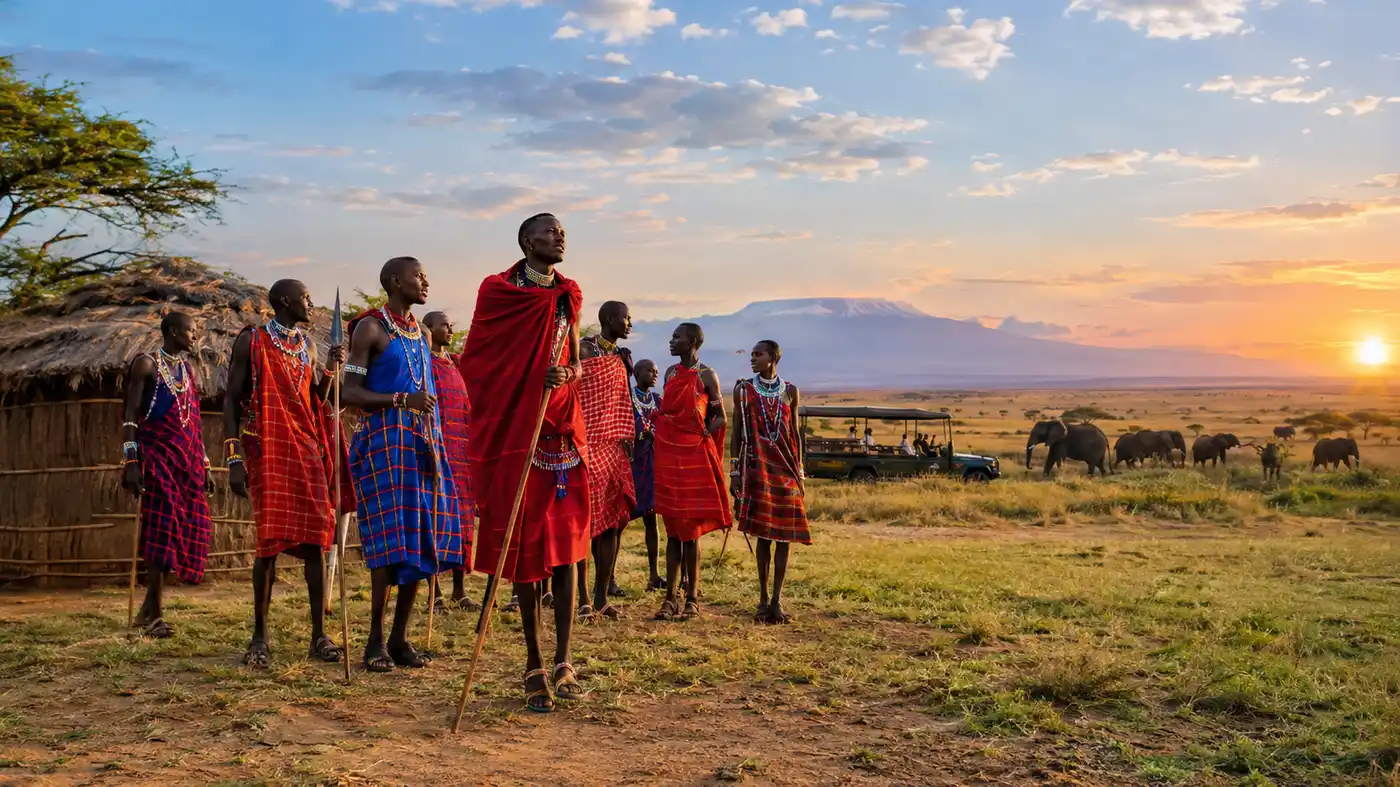
The first thing you hear as your vehicle slows outside the acacia gate is a rhythmic, low humming that vibrates through the dry air. Within seconds, a dozen men wrapped in brilliant red and blue shúkà blankets step out into the dust, their silver neck ornaments flashing in the midday sun. Living alongside lions and elephants for generations, the masai mara people have held onto a semi-nomadic pastoralist way of life that feels completely divorced from the glass towers of Nairobi just 220 kilometers away.
Most safari itineraries will offer you a two-hour stop at a roadside cultural boma. Sometimes it feels deeply staged, like an outdoor theater production where tourists file out of Land Cruisers, take fifty photos, buy a wooden spear, and drive off. Other times, if you know where to go and how to approach the community, spending time with the visiting the Masai Mara National Reserve area residents turns into an unforgettable, grounded exchange that completely reframes how you look at the landscape.
Book your masai mara safari tours experience:
Who Are the Masai Mara People? History and Daily Life
To define masai culture, you have to understand cattle. Cows are not livestock here. They are wealth, spirituality, food, and social status rolled into one. The Nilotic ethnic group migrated down the Great Rift Valley from South Sudan somewhere around the 15th century, eventually occupying grazing ranges stretching across southern Kenya and northern Tanzania. When travelers ask what is the masai lifestyle today, the answer shifts depending on whether you are standing in a town or out in the bush.
A traditional village is called a manyatta or enkang. It looks simple from the outside, almost invisible against the golden plains. A dense ring of thorny acacia branches keeps spotted hyenas and lions away from the herd at night. Inside that fence sit low, rounded houses built by the women from timber, mud, grass, and cow dung. When the mixture bakes dry in the equatorial sun, it turns rock-hard and smells surprisingly sweet, like dry straw and dried earth.
Daily routines start before 6:00 AM. Women milk the cows in the blue dawn light, tend to the children, and fetch firewood from miles away. Men gather to discuss grazing routes, moving herds across communally owned savannah where grass is sparse and predator movements change daily. It is demanding, dirty, beautiful work. If a drought strikes, entire families feel it immediately.
Pro tip: Ask your camp driver to visit a village located inside a wildlife conservancy rather than directly on the main highway outside Sekenani Gate. You will get a much calmer visit with fewer trinket hawkers.
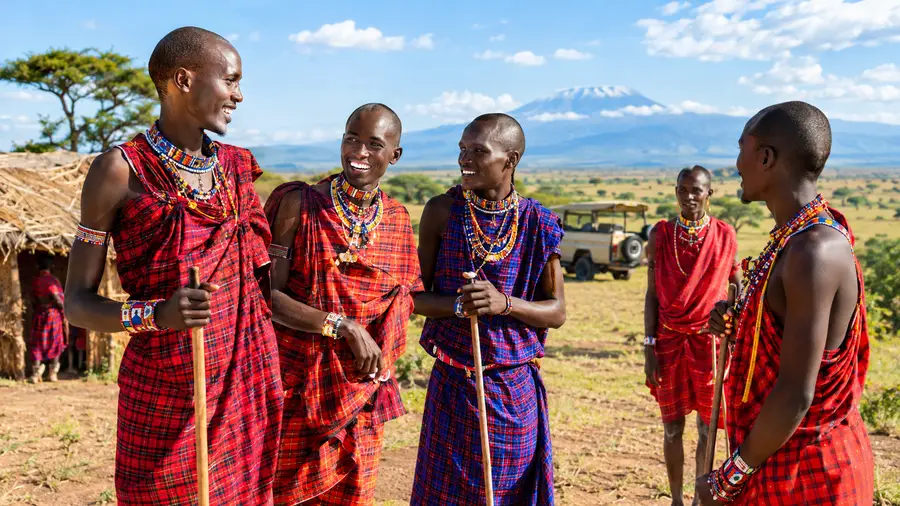
Life moves through strictly defined age-sets. Boys grow up herding goats, then transition into the moran, the warrior class, around age fifteen. In the past, becoming a moran required spearing a lion single-handedly to prove bravery. Kenya banned lion hunting decades ago, so today young warriors protect cattle from predators using deterrent flashing lights and traditional tracking skills. They wear long braided hair coated in red ochre, carry polished walking sticks, and spend years bonding as brothers in bush camps before they can marry.
Traditions, Ceremonies, and the Adumu Dance
The jumping dance is what everyone wants to see. Its actual name is the adumu, performed during Eunoto, the multi-day ceremony where warriors transition to elderhood. Men stand in a tight half-circle, shoulders touching, chanting guttural harmonies while one or two step into the center to leap straight into the air without letting their heels touch the ground. The higher a warrior jumps, the more strength and stamina he displays to prospective brides standing nearby.
I tried jumping with three young morans outside Talek village two years ago. I managed maybe ten inches off the ground before my calves seized up. They were casually clearing two and a half feet while singing in deep, steady chest voices. It looks effortless on video. It is exhausting in person.
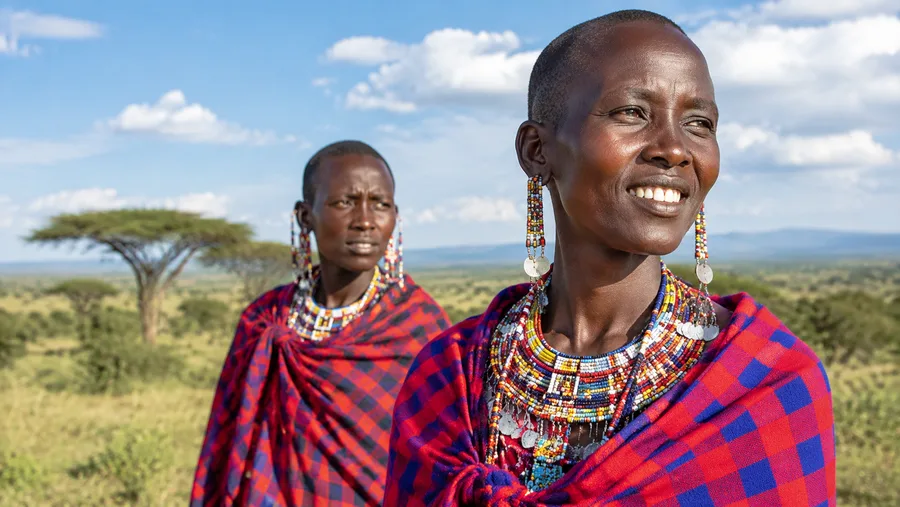
Beadwork is another visual signature of the kenya maasai communities. Women sit under flat-topped thorn trees stringing glass beads onto thin wire, creating complex, layered patterns. Every color conveys a distinct meaning:
- Red: symbolizes bravery, unity, and the blood of cattle that forms a dietary staple.
- White: represents peace, purity, and the fresh cow milk shared with guests.
- Blue: signifies the sky and god (Enkai), who sends rain for the pasture.
- Yellow and orange: reflect hospitality, warmth, and the animal skins once used as bedding.
- Green: denotes nourishment and the fresh earth following the seasonal rains.
A woman's marital status, her wealth, and the number of children she has are all legible in the wide flat collars she wears around her throat. You can read a woman's entire biography from twenty feet away if you understand the bead language.
What to Expect on a Masai Mara People Village Tour
Tours follow a recognizable choreography. You arrive, greeted by elders who wrap a red shuka around your shoulders. The morans perform the adumu, women offer welcome songs with rhythmic shoulder-shimmying movements, and then you are invited inside a home. The interior of a traditional house is pitch-black at first. There are no windows, just two tiny palm-sized holes in the plaster walls to let cooking smoke escape without admitting flies or rain.
Sitting on a low wooden stool inside, waiting for your eyes to adjust, you notice the smell of woodsmoke and sheepskins. The village host will usually show you how they build a cooking fire in under thirty seconds using two pieces of cedar wood, dry elephant dung, and a pinch of sand. It feels intimate, although you know twenty other visitors saw the exact same demonstration yesterday morning.
Village visits vary wildly depending on where you book them. Here is a realistic look at how different styles of village visits compare across the landscape:
| Village Visit Type | Typical Entry Fee | Group Size | Atmosphere |
|---|---|---|---|
| Main Gate Roadside Boma | $20 to $30 per person | Large tour groups | Fast-paced, heavy market push |
| Conservancy-Partner Village | $30 to $50 per person | Private or 4-6 people | Relaxed, informative, respectful |
| Guide's Personal Family Homestead | Discretionary contribution ($25-$40) | Solo or couple | Unscripted, genuine daily chores |
Almost every visit concludes in a circular outdoor market set up in the center of the boma. Tables or blankets display carved wooden animals, soapstone bowls, spears, rungu throwing clubs, and piles of beadwork. The sales push can get assertive. The residents depend heavily on craft sales to pay school fees, buy maize flour, and cover clinic costs when someone falls ill.
Understanding these commercial pressures will help you budget your Masai Mara safari costs without feeling blindsided when vendors approach you.
Book your masai mara safari tours experience:
Etiquette and Photography in the Masai Area
The location of maasai communities makes them one of the most photographed indigenous groups on earth. That visibility brings friction. Tourists often stick giant telephoto lenses out of safari van windows as they drive past herd boys walking along the road. It feels intrusive, rude, and degrading to people going about their workday.
Note: Never point a camera at someone outside an organized village tour without asking first and negotiating a fair tip. Taking uninvited photos of pastoralists along roadside settlements will trigger immediate anger.
When you are inside a paid cultural boma, photography is generally welcome, but personal awareness goes a long way. Treat people as neighbors, not museum exhibits. A few basic guidelines make the interaction comfortable for everyone:
- Greet the elders first: A slight nod and a warm handshake show immediate respect before you pull out any camera gear.
- Ask before taking portraits: Point to your lens and wait for a clear nod, especially when photographing older women and nursing mothers.
- Show them the screen: Children and young warriors love seeing their portraits on the back of the camera; it turns a one-way transaction into a shared laugh.
- Avoid entering sleeping quarters: Stay in the main living space of the house unless your guide explicitly welcomes you into private partitions.
- Dress modestly: Sleeved shirts and knee-length shorts or trousers fit local cultural norms better than gym wear or beach clothes.
A little basic Maa language opens doors instantly. Saying "Supa" (hello) to a man, "Takwenya" to a woman, and answering with "Ipa" breaks the ice faster than any cash tip.
Supporting the Masai Mara People Ethically
Tourism provides substantial cash income, yet very little of the luxury safari profits historically reached rural bomas. Large international lodge operators often employ staff from outside the region, leaving the local population with grazing restrictions and human-wildlife conflict without sufficient financial reward. Thankfully, this dynamic has shifted over the past fifteen years through the growth of community conservancies like Mara North, Olare Motorogi, and Naboisho.
Under the conservancy model, thousands of local landowners pool their private parcels and lease the land to safari camps. Families receive guaranteed monthly lease payments regardless of how many tourists arrive that season. They retain controlled dry-season grazing rights while wildlife thrives on protected open plains. If you want your travel dollars to directly benefit the people who call this savannah home, staying in a community conservancy is the single most effective choice you can make.
When shopping in the village market, bargain gently. Paying $25 instead of $20 for a hand-stitched collar represents coffee money to most overseas visitors, but it can cover school exercise books and uniforms for a child. Look for genuine glass seed beads rather than lightweight plastic beads imported from abroad. Real Maasai craftwork has substantial weight in your hand, and the stitching uses tough synthetic tendon threads that will not snap after three months of wear.
You might also see younger locals speaking fluent English, managing solar-powered smartphones, and carrying leather sheaths with hand-forged blades simultaneously. Culture here is not frozen in 1890. It adapts. The most impressive aspect of these communities is not that they live in mud houses, but that they consciously choose which elements of modern society to adopt while protecting traditions that have anchored their identity for half a millennium.
Frequently Asked Questions about masai mara people
What language do the masai mara people speak?
The mother tongue is Maa, a Nilo-Saharan language spoken across southern Kenya and northern Tanzania. Most men and women working in tourism also speak fluent Swahili and English.
How much should you pay for a village tour?
Entry fees range between $20 and $40 per person, which usually covers village entry, dances, and a guided walk through a home. Extra cash is useful for purchasing beadwork in the central craft circle.
Do the people still live on raw milk and cattle blood?
Historically, a mixture of milk and blood drained harmlessly from a cow's jugular vein was the staple diet. While morans still consume this during traditional ceremonies, modern daily meals rely heavily on ugali (maize porridge), beans, rice, cabbage, and sweet spiced tea.
Can children visit the villages safely?
Yes, children are welcomed warmly. Village visits are exceptionally kid-friendly, as local families enjoy having their own children interact, play, and dance with young travelers.
Quick Reference
- Primary language: Maa (plus Swahili and English)
- Village entry cost: $20 to $40 per adult
- Key ceremony: Eunoto and the adumu jumping dance
- Home building material: Acacia timber, mud, grass, and cow dung
- Best booking route: Through community conservancy camps
Book your masai mara safari tours experience:
My Take
Do not skip a cultural tour out of fear that it will feel touristy or awkward. It certainly can if you stop at the first roadside gate on the busiest highway, but if you take time to visit a conservancy village with a guide who grew up there, the experience becomes genuinely moving. Sit in the smoky dark of an enkang, listen to the low cadence of the Maa language, and ask real questions about drought, livestock, and raising kids alongside big cats. You will leave with far more respect for the plains than any afternoon game drive could ever give you on its own.
Read more about masai mara safari tours.